Most Emotional Font
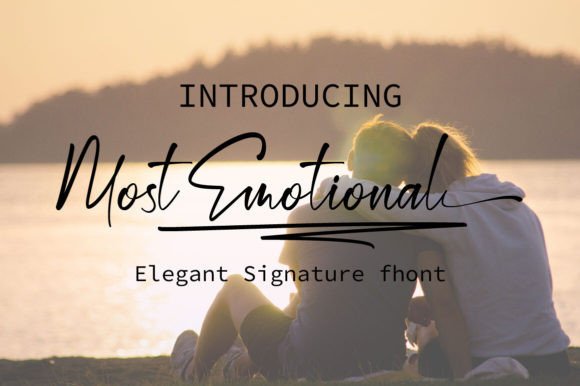
Most Emotional is a Script Handwritten font that brings mystery and elegance to digital design. Its intricate swirls and exquisite letterforms make it ideal for luxurious branding, upscale invitations, and high-end web experiences. As a designer, choosing the right font can elevate your work from good to unforgettable.
Most Emotional for Wedding Invitations and Elegant Branding
Most Emotional is a premium font that adds a touch of sophistication to any project. For wedding invitations, its elegant script creates a sense of timeless beauty, making it perfect for formal or semi-formal events. When used in branding, it conveys exclusivity and refinement, aligning with luxury or artisanal aesthetics. Web designers can use this font for logos, headers, or decorative accents to create a visual identity that feels both personal and professional.
Most Emotional for Hero Sections and Call-to-Action Areas
In hero sections, Most Emotional can be used as a display font to draw attention and set the tone for a website. It works especially well when paired with a clean sans serif font for body copy, creating a balance between elegance and readability. In call-to-action areas, its flowing lines add a sense of movement and emotion, making buttons or headlines more visually compelling. This font is ideal for landing pages that aim to evoke a feeling of luxury or emotional connection.
Most Emotional for Online Store Banners and Digital Ads
For online stores, Most Emotional can transform banners and product headings into striking visual elements. Its handwritten style gives a personal touch that resonates with customers looking for unique, curated experiences. When used in digital ads, it helps create a memorable brand presence, especially for niche markets like boutique fashion, artisan goods, or high-end services. Designers should ensure that the font remains legible at smaller sizes, particularly on mobile screens where space is limited.
Most Emotional for Blog Headers and Content Sections
Blog headers benefit from the expressive nature of Most Emotional, as it adds personality and visual interest to content sections. When used for titles or subheadings, it can guide readers through the page while maintaining a cohesive design language. Pairing it with a simple serif or sans serif font enhances readability without sacrificing style. This font is especially effective in editorial designs, such as lifestyle blogs, creative portfolios, or storytelling websites.
Most Emotional for Logo Design and Brand Identity
Logos that incorporate Most Emotional feel more authentic and expressive, making them stand out in competitive markets. Its handwritten quality adds a human element, which is valuable for brands aiming to build trust and relatability. Whether used alone or combined with other design elements, this font supports a consistent brand identity across all digital platforms. Designers should consider how it appears in different sizes and contexts, ensuring it maintains clarity and impact in every application.
Most Emotional for Responsive Layouts and Mobile Screens
When designing for mobile, readability is key. Most Emotional performs well on larger screens but requires careful sizing and spacing when used on smaller devices. Ensuring sufficient contrast against backgrounds—whether dark or light—helps maintain legibility. For buttons or short phrases, this font can enhance user engagement by adding a touch of personality. However, it's best avoided for long paragraphs, where a more structured font would provide better usability.
Most Emotional for Social Media Graphics and Creative Projects
Social media graphics often benefit from the visual appeal of Most Emotional. Whether used in Instagram posts, Pinterest boards, or Facebook banners, it adds an artistic flair that captures attention. For creative projects like course pages, portfolio sites, or branded templates, this font reinforces a theme of craftsmanship and individuality. Designers should experiment with layering it over images or using it as a text overlay to create dynamic compositions.
Most Emotional for Commercial Use and Licensing
When using Most Emotional for commercial projects, designers must verify the licensing terms to ensure compliance. Many fonts offer different licenses for websites, client work, or online stores, so it’s important to choose the right one based on intended use. For SaaS founders, bloggers, or online store owners, having access to webfont formats ensures seamless integration into digital products. Always check for multilingual support if the target audience includes non-English speakers.
Most Emotional for Font Pairing and Editorial Design
Font pairing is essential for achieving balance in web design. Most Emotional pairs well with modern typography, such as a minimalist sans serif for body text or a classic serif for a more traditional feel. This combination allows the script font to shine as a highlight without overwhelming the overall layout. In editorial design, it can be used for pull quotes, chapter headings, or section dividers, adding a refined aesthetic to printed or digital publications.
Most Emotional for Website Headers and Section Headings
Website headers and section headings are prime real estate for using Most Emotional. Its elegant curves and flowing lines make it ideal for titles that need to command attention while maintaining a sense of grace. When used in section headings, it helps break up content and guide users through the page. This font is particularly effective in creative portfolios, coaching websites, or course sales pages, where visual storytelling plays a key role.